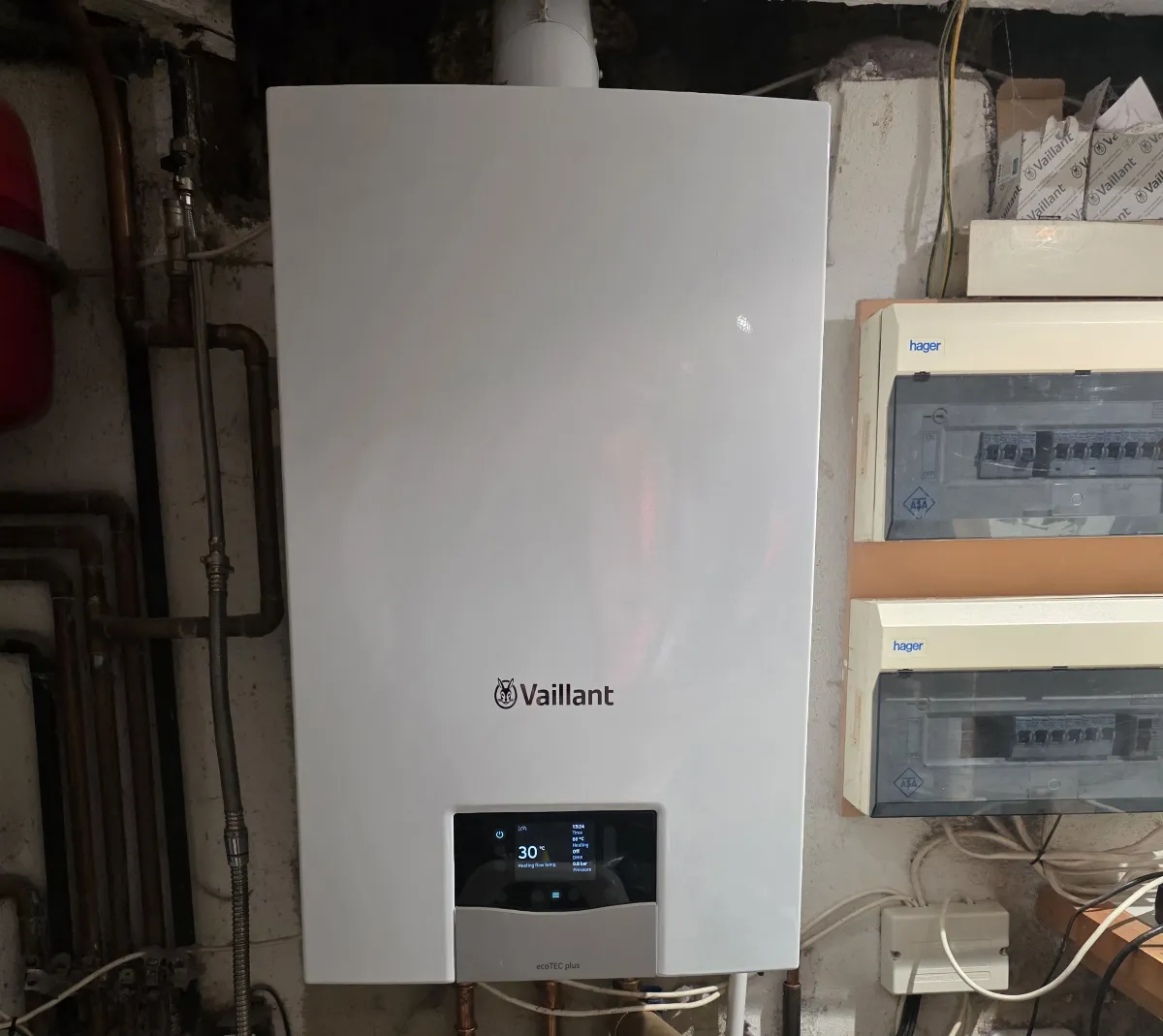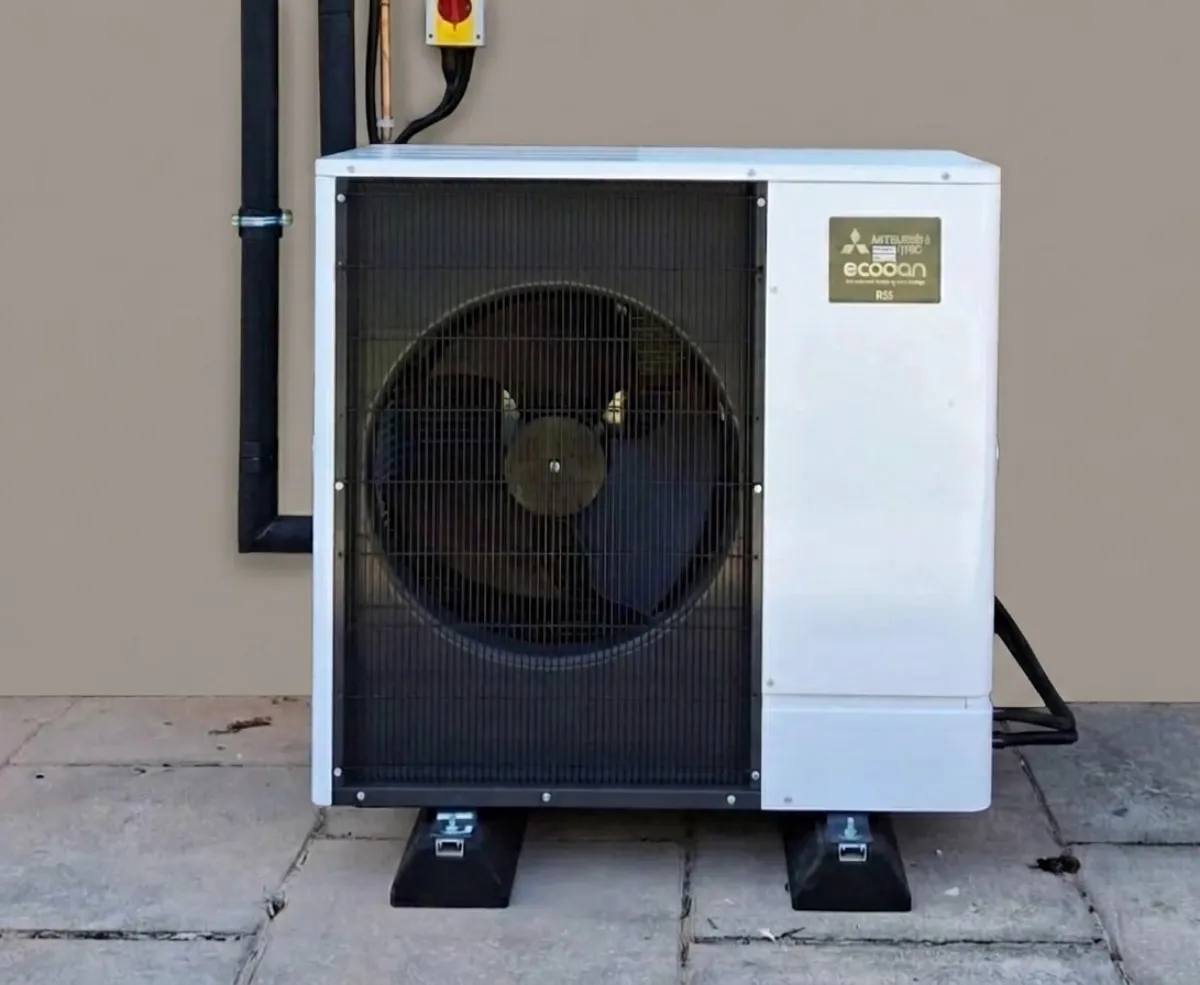
There is a lot of noise online about home heating right now, and frankly, most of it ignores what it’s actually like to live with these systems. As a local heating engineer, I look at central heating through a very simple lens: practicality, reliability, and real-world physics.
Where Heat Pumps Genuinely Work — and Where They Don’t
To clear the air right away: heat pumps are excellent pieces of technology. When they are installed in a highly insulated modern home, paired with underfloor heating, and designed from the ground up, they perform beautifully. They love underfloor heating because the massive surface area allows them to run at the low temperatures they thrive on.
The trouble starts when we try to force this technology into properties that simply aren’t ready for it. We are seeing a real wave of dissatisfaction in consumer research lately, and it isn’t because the heat pumps themselves are broken. It’s because homeowners are being nudged into retrofitting a heat pump into older, draftier British houses. If you drop a heat pump onto existing pipework with only minor radiator upgrades, the physics of the house will work against you. Because these systems run much cooler than a traditional boiler, they have to work overtime to keep up with the heat loss of an old property. The system never reaches its intended efficiency, the house struggles to get warm, and the electricity bills can skyrocket.
When a home heating system is forced onto a house rather than properly designed for it, the homeowner is the one who pays the price.
Because of this, if you are looking into alternative heating, it is absolutely critical to choose your heating installer with extreme care. A successful low-temperature installation depends entirely on an engineer who can give honest, accurate advice about whether the system will actually work for your specific property. You need someone who is passionate about design, who understands heat-loss calculations inside out, and who cares about long-term efficiency. If you choose someone who is completely new to the industry, or an installer who lacks that passion and just wants to rush the job for a quick payday, they will leave you behind to suffer the consequences of a poorly planned system.
Why Modern Gas Boilers Are Still the Practical Choice
This is exactly why a modern gas boiler replacement remains the most practical choice for the vast majority of UK homes. There’s a common misconception that gas boilers are inherently an outdated, inefficient option, but that completely misses how modern systems work. Under current UK building regulations (Part L), any new boiler installation must be designed and balanced to operate at a maximum flow temperature of 55°C. When an engineer takes the time to properly size the system and set up these lower, condensing parameters, a gas boiler is remarkably efficient. Crucially, it also carries what I call a “forgiveness factor.” If we hit a brutal winter freeze, a gas system inherently has the structural backup capacity and high-temperature headroom to easily keep an older property warm, without short-cycling itself to death.
The Real-World Repair Gap: Parts and Engineers
Beyond the physics of heating, there is a massive practicality gap that rarely gets mentioned in glossy brochures: long-term maintenance, boiler repairs, and emergency replacements. A heating system is a fifteen-year investment, and you have to look ahead to how easily it can be dealt with when things go wrong in the middle of January.
Right now, the infrastructure for the two systems is worlds apart. If a gas boiler breaks down, there is a massive safety net of over 120,000 registered Gas Safe engineers across the country. Because boilers are standard across UK homes, parts are mass-produced and sitting off-the-shelf at almost every local merchant. In fact, the practicality goes even further than daily repairs—if a gas boiler suffers a catastrophic failure and needs to be completely replaced, an engineer can pick up a brand-new unit off the shelf at a local merchant and complete a same-day boiler installation.
That is a scenario that simply cannot happen with a heat pump. They rely on incredibly complex inverter PCBs, intricate refrigeration loops, and specialized electronics. Finding an engineer who can actually diagnose a component-level fault—rather than just suggesting you replace the whole unit—is incredibly difficult because the pool of trained repair specialists is still very small. Furthermore, because these units and their specific components aren’t standardized across the trade counter, they frequently require special orders directly from the manufacturer. If a heat pump fails completely, you aren’t looking at a quick swap; you are looking at specialized deliveries, extensive system re-engineering, and days—or even weeks—of waiting in a freezing house.
The Bottom Line
At the end of the day, my stance isn’t about bashing new technology; it’s about protecting homeowners from poor investments and high boiler replacement costs on systems that don’t fit their needs. A heating system shouldn’t be chosen based on political targets or internet hype; it should be chosen based on what works flawlessly for your specific property, your budget, and your peace of mind. For reliability, instant parts availability, and the security of a fast turnaround when you need it most, the modern gas boiler remains the undefeated, practical choice for the British home.