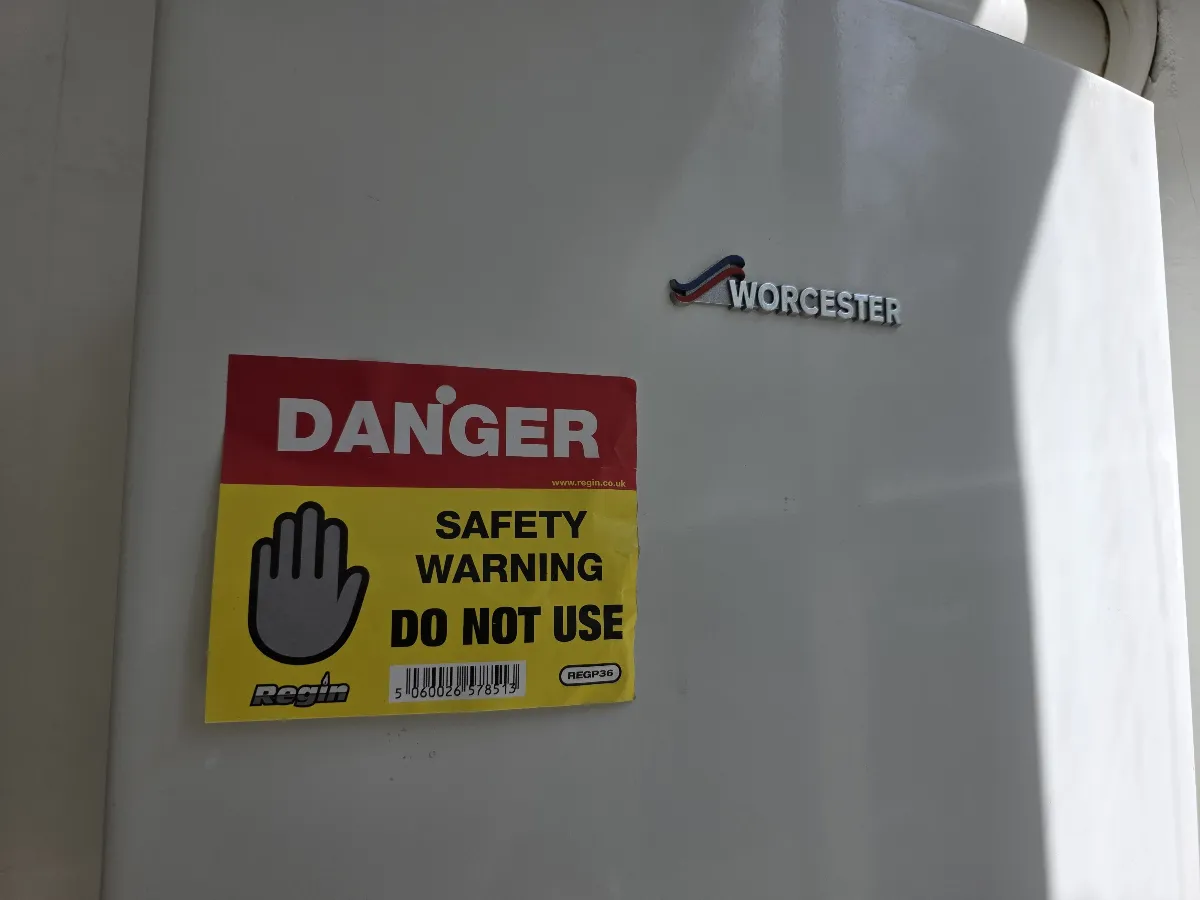
Every callout starts with a knock on the door, but this one felt different from the second we walked in.
We were met with a Bosch boiler that had been officially condemned and slapped with an immediate danger warning—another engineer had taken one look at it and advised a full, costly replacement.
To the untrained eye, it was ready for the scrap heap. But we don’t like giving up on a machine without a fight. We looked at it, rolled up our sleeves, and decided to give this boiler a second chance at life.
After all, when a system is drowning in a cascade of internal failures, you don’t just walk away—you suit up and bring it back from the brink.
The Anatomy of a Breakdown
This wasn’t just a simple component failure; the poor Bosch was fighting battles on multiple fronts:
Combustion Leak Risk: Severe overheating had compromised the integrity of the unit, leading to dangerous products of combustion leaking out.
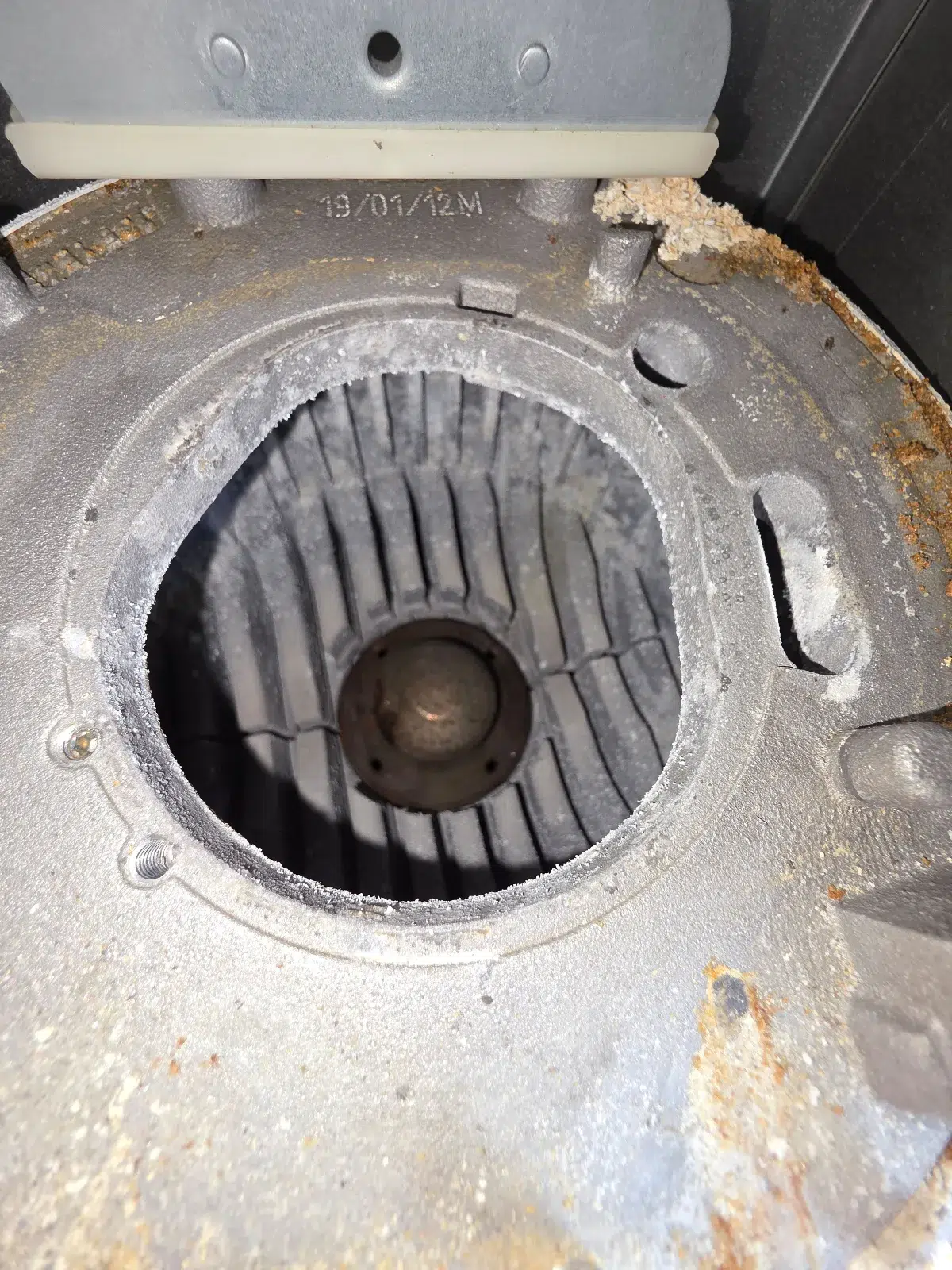
The Heat Exchanger: Choked with heavy crust build-up from thermal stress and scale.
Hydraulic Collapse: A completely failed expansion vessel, a passing pressure relief valve (PRV), and a leaking automatic air vent (AAV) had thrown the system pressure completely out of whack.
It was a domino effect of neglect, but we were ready to untangle the mess.
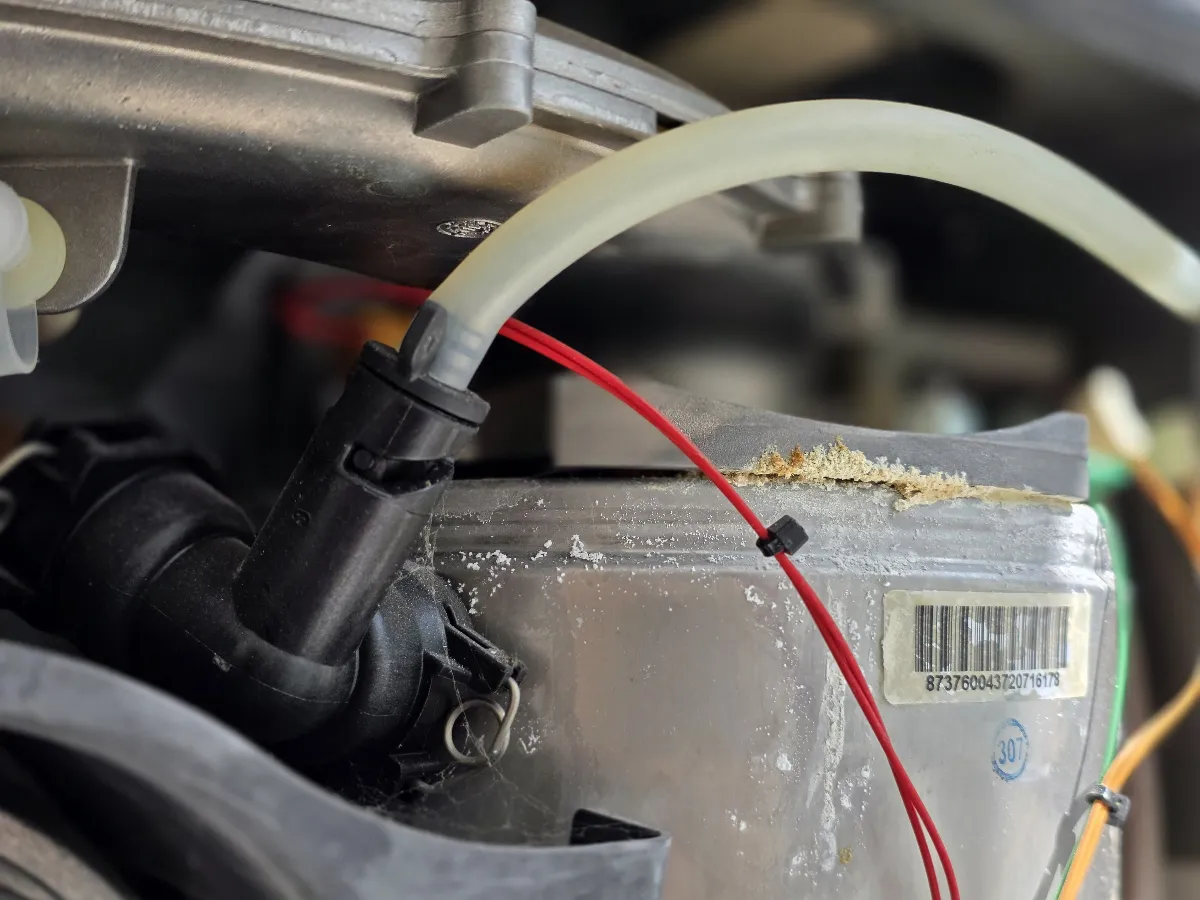
Step One: The Deep Dive and Full Strip-Down Service
True restoration doesn’t happen by half-measures. True to our standard protocol, we kicked things off with a rigorous, full strip-down boiler service to get right to the heart of the machine.
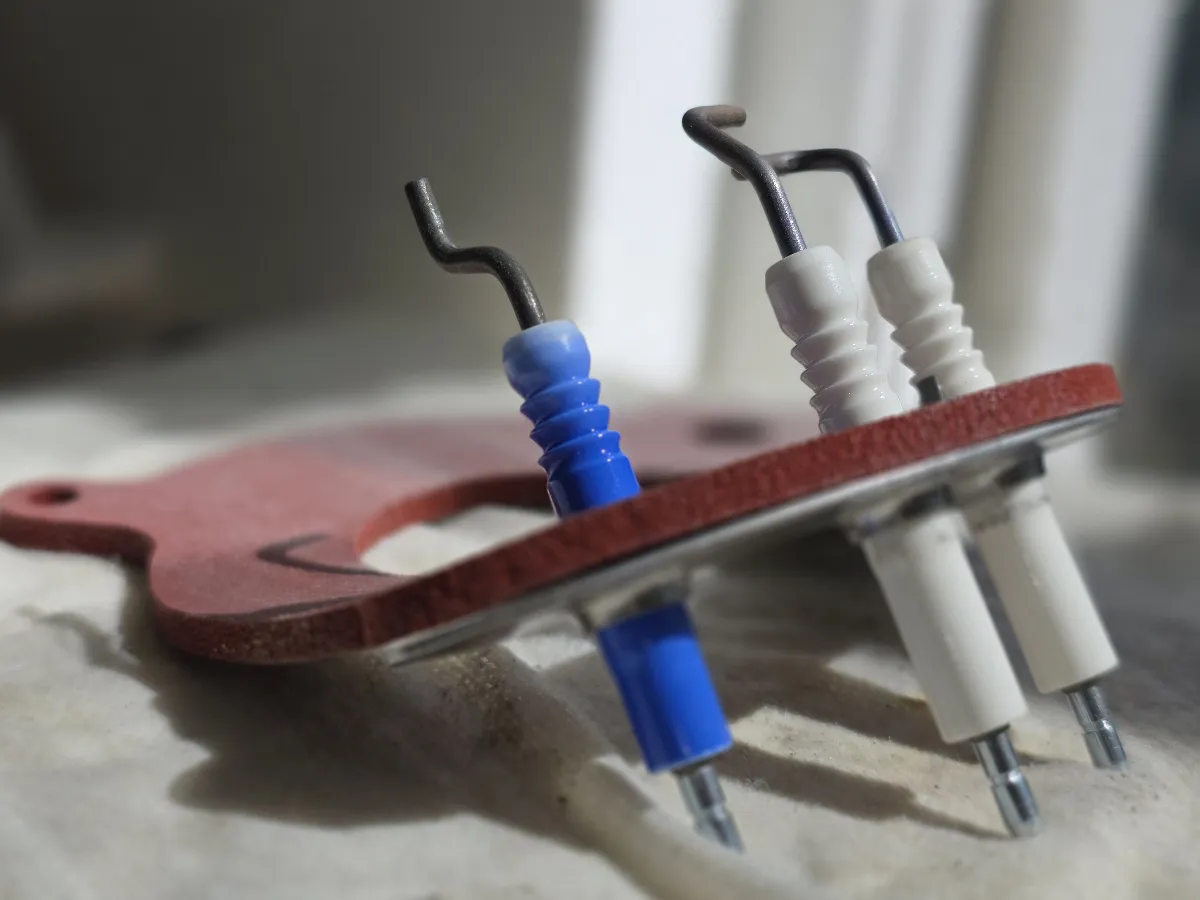
Electrically Safe & Stripped:
We disconnected, removed, and replaced the worn electrodes.
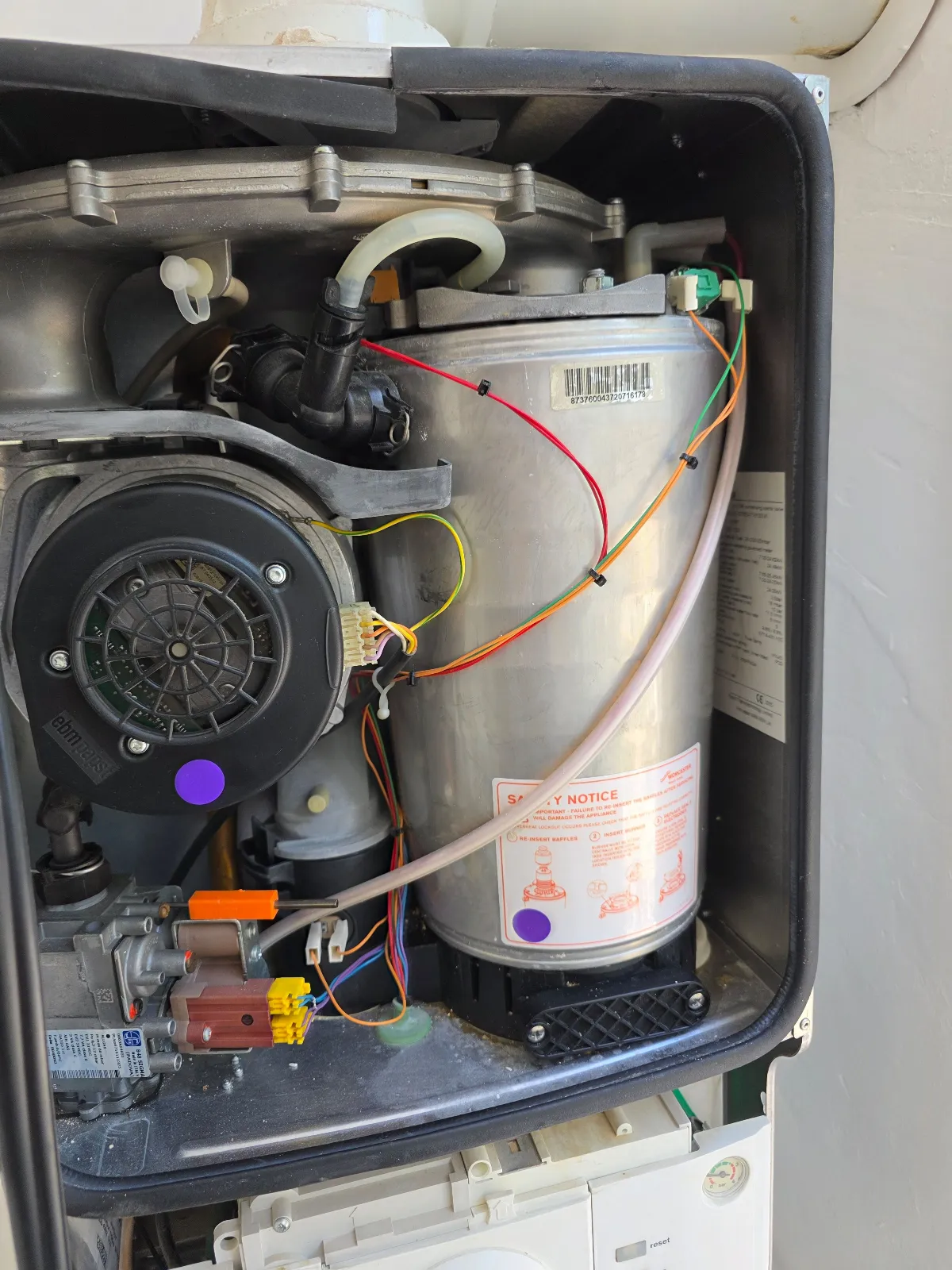
Exposing the Heat Exchanger: We carefully exposed the primary heat exchanger, pulling out the baffles to inspect the true extent of the internal damage and scale build-up.
Deep Clean & Flush:
We meticulously cleaned and flushed the heat exchanger to strip away the crust and restore proper thermal transfer pathways.
Renewing Core Components:
During the strip-down service, we also installed a brand-new burner plate and fresh burner door gasket on the Worcester Bosch unit to ensure absolute airtight combustion integrity going forward.
Step Two: Condensate Trap Clean
Next on the checklist was the condensate trap.
Over years of operation, sediment and acidic condensate sludge naturally accumulate here, choking the trap and risking a blockage. We carefully removed, dismantled, and thoroughly washed out the trap, ensuring a completely clear, unobstructed pathway for condensate discharge before reassembling it with tight, secure seals.
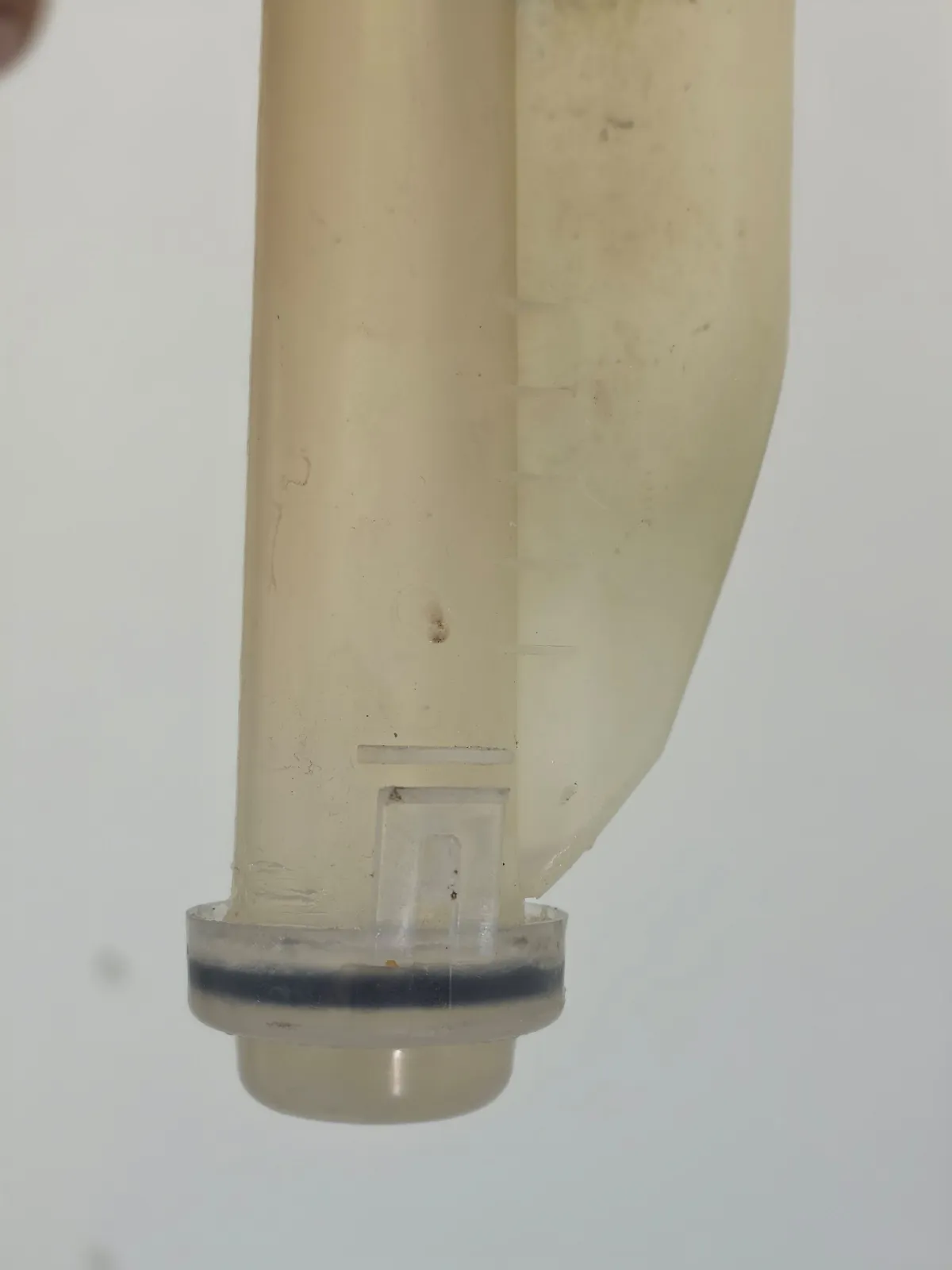
Step Three: Tearing Out the Hydraulic Failures
Once the combustion side was thoroughly rejuvenated, it was time to tackle the hydraulic system collapse.
With the boiler isolated and fully drained down, we systematically removed the cascade of failing components that had driven this Bosch to the brink:
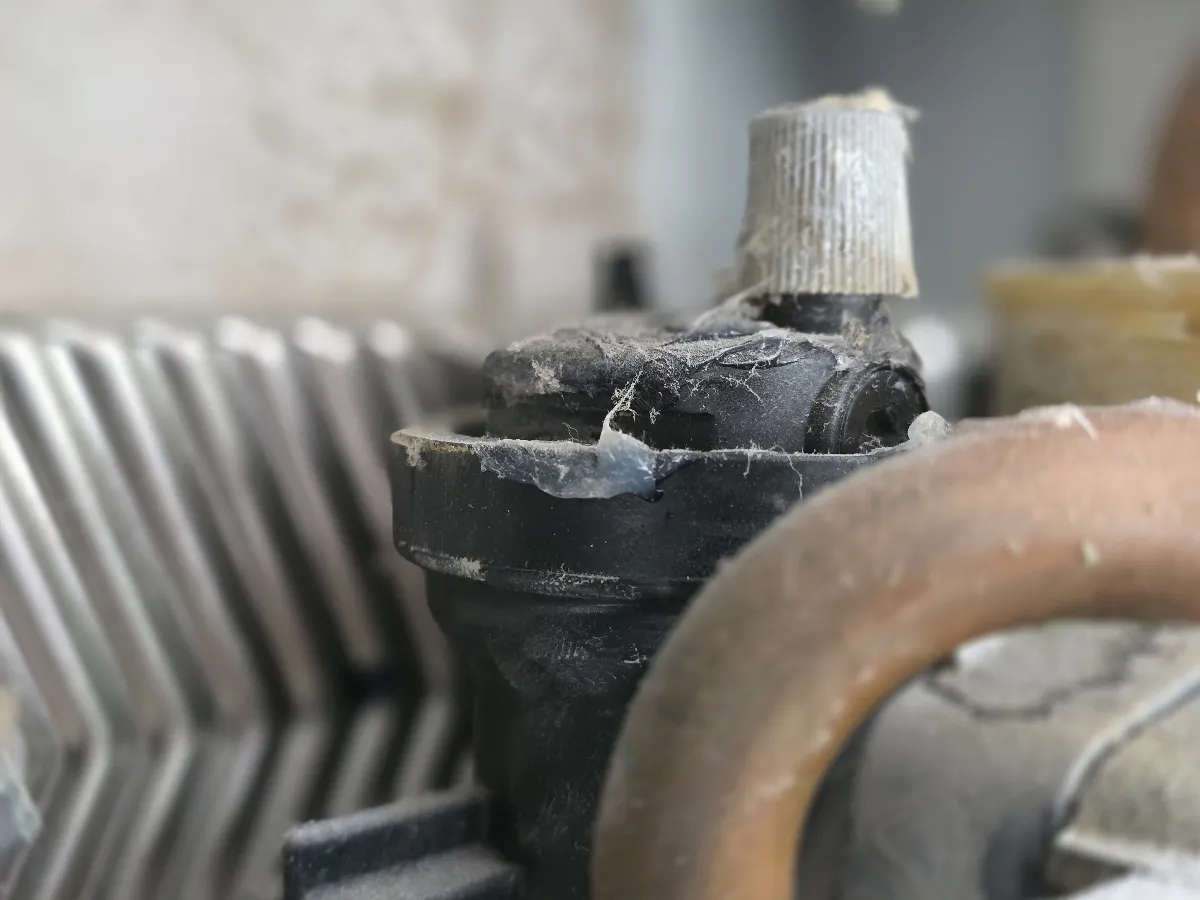
The Pressure Relief Valve (PRV):
The old PRV was passing water continuously, losing system pressure.
We pulled it out and installed a brand-new, factory-spec PRV.
The Automatic Air Vent (AAV): The leaking AAV had been spraying and weeping moisture internally.
We replaced it with a heavy-duty, reliable automatic air vent to keep the loop air-free.
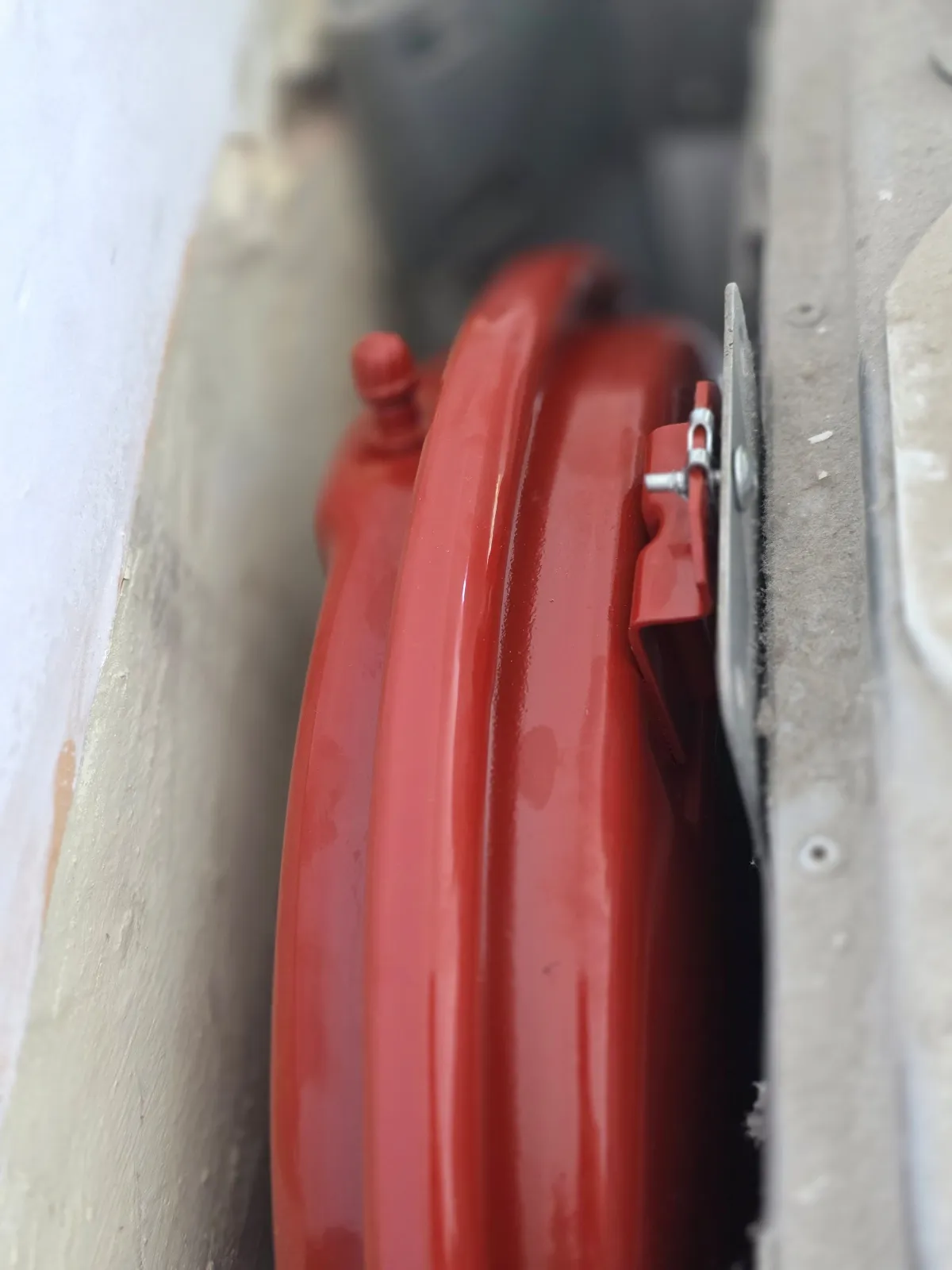
The Expansion Vessel:
A ruptured expansion vessel causes wild pressure spikes. We disconnected the dead vessel and fitted a brand-new replacement to restore proper volumetric buffer capacity.
Step Four: Magnetic Filter Clean
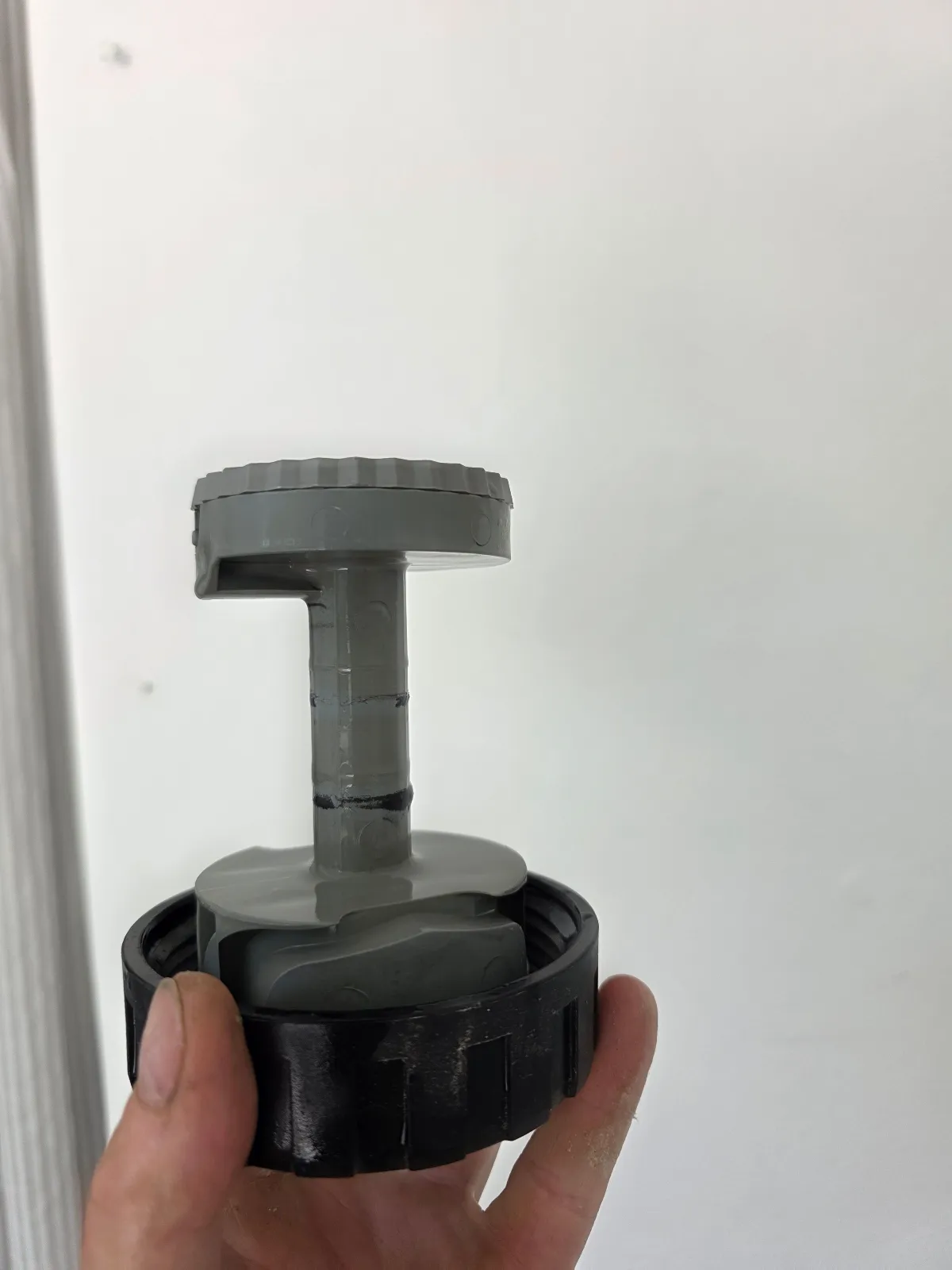
Before putting the system back together, we didn’t forget the system water health.
We isolated and serviced the magnetic system filter, flushing out accumulated black iron oxide sludge to protect our newly installed components and ensure long-term circulation efficiency throughout the property’s pipework.
Step Five: Final Commissioning and Perfect Combustion Readings
With everything fully rebuilt, sealed, flushed, and tested, it was time to fire the Bosch back up.
We carried out rigorous commissioning and combustion analysis checks in line with the Gas Safety (Installation and Use) Regulations and manufacturer specifications. To dial it in to absolute perfection, we slightly adjusted the gas valve, achieving pristine, ultra-clean combustion readings across the board.
Why Full Overhauls Beat Quick Fixes
Other engineers took one look at this catastrophic failure log, threw their hands up, and slapped a “Condemned – Immediate Danger” notice on the wall with a recommendation for a brand-new installation. But as local heating and plumbing specialists serving our community, we know that many so-called “dead” boilers are victims of poor maintenance and neglected component fatigue rather than unrecoverable metal fatigue.
By treating the root cause—rebuilding the combustion seals, swapping the bearing plate, clearing the heat exchanger and trap, overhauling the hydraulics, cleaning the filter, and fine-tuning the gas valve—we didn’t just patch up a faulty machine. We brought it safely back to manufacturer specification, saving the homeowner the immense hassle and heavy expense of an unnecessary full boiler replacement. When quality workmanship meets real engineering expertise, even a condemned boiler gets a second lease on life.